「五感で感じる「日本の時間」を世界中のゲストへ 」
世界中のホテルが豪華さや最新設備を競い合う時代だからこそ、本当に人の心に残る空間とは何でしょうか。
それは、日本でしか体験できない「時間」と「文化」が息づく空間です。
京都の古民家や京町家で百年、二百年という歳月を刻んできた古材には、
新しい木材では決して表現できない風合いと存在感があります。
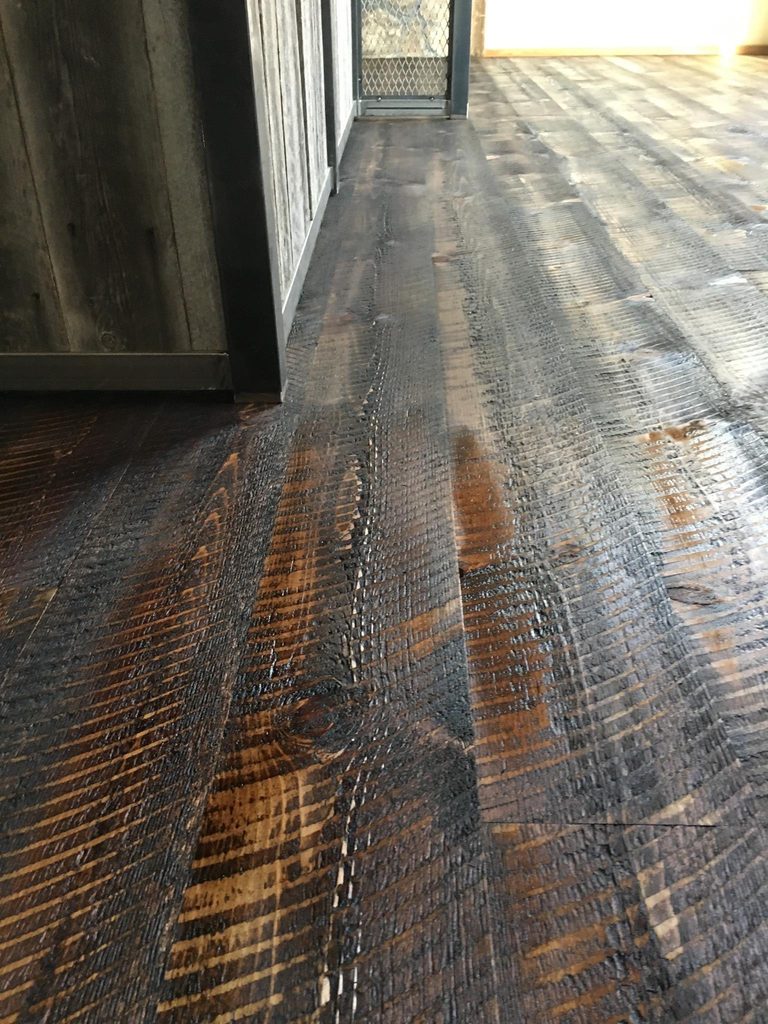
一つひとつ異なる木目、長年の暮らしの中で磨かれた艶、自然に生まれた割れや節。
それらは欠点ではなく、その木だけが持つ歴史そのものです。
ホテルや旅館を訪れるインバウンド観光客が求めているのは、日本の本物の文化に触れる体験です。
古材は、その期待に応える最も雄弁な素材の一つです。
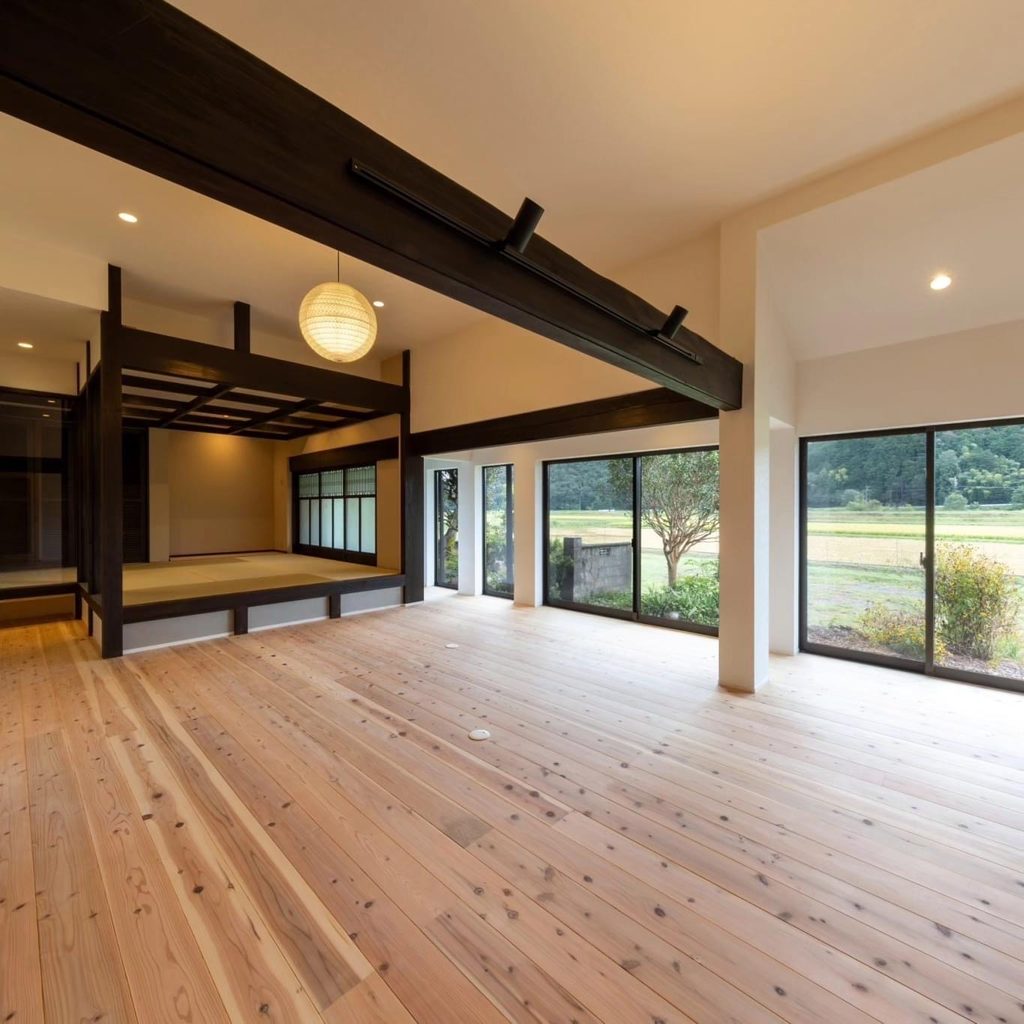
館内に一歩足を踏み入れた瞬間、木の優しい香りが漂い、長い年月を経た木肌がやわらかな光を受けて静かに輝く。
手で触れれば、現代の加工木材にはない温もりと滑らかさが伝わり、耳を澄ませば静寂の中に木が醸し出す落ち着きが心を包み込みます。
古材は視覚だけではなく、香り、手触り、空気感、静けさまで含めた「五感」で日本を感じさせる建築素材なのです。
さらに古材には、「時間軸」という他にはない価値があります。
築百年以上の京町家を支えてきた梁や柱は、幾世代もの家族の暮らしを見守り、日本の四季や歴史を刻み続けてきました。
その木材が新たなホテルや旅館で再び命を吹き込まれることは、単なるリサイクルではありません。
日本人が古くから大切にしてきた「ものを大切に使い続ける」という精神、「もったいない」の文化、
そして次の世代へ受け継ぐという美意識を空間そのものが物語ります。
近年、世界の富裕層旅行者は、単なるラグジュアリーではなく「本物のストーリー」を求めています。
「この梁は京都の築二百年の町家で使われていました。」「この柱は代々受け継がれてきた古民家の木材です。」
そんな一つの説明が、ホテルでの滞在を単なる宿泊から「文化体験」へと変えていきます。写真映えするだけではない、
その背景にある物語こそが、世界中のゲストの心を動かし、SNSや口コミによって世界へと広がっていくのです。
また、古材の活用はサステナブルな建築としても高く評価されています。既存の資源を再利用することで森林資源の有効活用につながり、
CO₂排出の削減や循環型社会の実現にも貢献します。
環境への配慮と日本文化の継承を同時に実現できる素材として、SDGsやESGを重視するホテルブランドからも注目されています。
ホテルや旅館は、単に眠る場所ではありません。
その土地の文化を感じ、その国の歴史に触れ、心に残る思い出を持ち帰る場所です。
京都の古材には、人の手で百年以上磨かれ続けた美しさがあります。それは新品では決してつくることのできない、唯一無二の価値です。
一棟のホテルに古材を取り入れることは、単なるデザインではなく
、日本の歴史や文化、職人の技、そして時を受け継ぐ精神を世界中の人々へ伝えることにつながります。
古材は建築材料ではありません。
それは、日本の記憶を宿し、未来へ受け継ぐ「文化資産」です。
きっと、ホテルや旅館が古材を採用することは、訪れるゲストに「日本でしか味わえない時間」を提供し
何年経っても忘れることのできない感動を生み出す、大きな価値となるでしょう。
・・・・・・・・・・・・・・・・・・・・・・・・・・・・・・・・・・・・・・・・・
The Value of Using Reclaimed Wood in Hotels and Ryokan
“Sharing the ‘Japanese Sense of Time’ with Guests from Around the World Through All Five Senses”
In an era when hotels around the world compete in luxury and the latest facilities, what truly creates a space that remains in people’s hearts?
It is a space where “time” and “culture” that can only be experienced in Japan come alive.
Reclaimed wood from Kyoto’s traditional homes and machiya townhouses, which have endured for one or two hundred years, possesses a character and presence that new timber can never replicate.
Every piece has its own unique grain, a natural luster polished through decades of daily life, and cracks and knots formed naturally over time. These are not imperfections—they are the history that belongs exclusively to that particular piece of wood.
International visitors staying at hotels and ryokan in Japan are seeking experiences that allow them to encounter authentic Japanese culture. Reclaimed wood is one of the most eloquent materials for meeting those expectations.
The moment guests step inside, they may sense the gentle fragrance of wood, while the surface of timber aged over many years quietly reflects the soft light. Touching it reveals a warmth and smoothness unlike that of modern processed wood. And when they pause to listen, the calm atmosphere created by the wood seems to envelop them in the surrounding silence.
Reclaimed wood is an architectural material that allows people to experience Japan not only through sight, but through all five senses—including its fragrance, texture, atmosphere, and sense of tranquility.
Furthermore, reclaimed wood possesses a unique value that can be described as a “dimension of time.”
Beams and columns that supported Kyoto machiya for more than a century witnessed the lives of generations of families while continuing to bear the marks of Japan’s seasons and history.
Giving these materials new life in a hotel or ryokan is not simply a matter of recycling.
The space itself tells the story of a Japanese philosophy deeply rooted in the practice of cherishing and continuing to use things for as long as possible, the cultural concept of mottainai, and an aesthetic of passing things on to future generations.
In recent years, affluent travelers around the world have increasingly sought not simply luxury, but “authentic stories.”
“This beam was originally used in a 200-year-old machiya in Kyoto.”
“This column came from a traditional Japanese house and was passed down through generations.”
A single explanation like this can transform a hotel stay from simply accommodation into a cultural experience.
It is not merely the visual appeal that captures attention. The story behind the material is what moves guests’ hearts—and through social media and word of mouth, that story can spread around the world.
The use of reclaimed wood is also highly valued as an approach to sustainable architecture. By reusing existing resources, it contributes to the effective use of forest resources, helps reduce CO₂ emissions, and supports the development of a circular society.
As a material capable of combining environmental responsibility with the preservation of Japanese culture, reclaimed wood is also attracting attention from hotel brands that place importance on the SDGs and ESG principles.
Hotels and ryokan are not simply places to sleep.
They are places where guests experience the culture of a destination, encounter its history, and take home memories that remain with them long after their journey ends.
Kyoto’s reclaimed wood possesses a beauty that has been refined by human hands for more than a century. It offers a one-of-a-kind value that can never be created from new materials.
Incorporating reclaimed wood into a hotel is more than a design choice. It provides an opportunity to share Japan’s history and culture, the skills of its craftsmen, and the philosophy of passing time and tradition forward with people from around the world.
Reclaimed wood is more than a building material.
It is a “cultural asset” that carries the memories of Japan and passes them on to the future.
For hotels and ryokan, choosing reclaimed wood can create tremendous value by offering guests “a sense of time that can only be experienced in Japan” and creating an emotional experience they will never forget, even many years later.