時を刻んだ「木」ではなく、時を受け継ぐ「文化」と言えます。
古材とは、古民家や京町家、寺社仏閣などで何十年、時には百年以上もの歳月を生き抜いてきた木材です。そこには、新しい木材には決して表現できない風合い、深み、そして本物だけが持つ存在感があります。
一本の梁には、幾世代もの家族を見守ってきた記憶があります。一本の柱には、京都の四季を幾度となく受け止めてきた時間があります。
長い年月を経て生まれた艶や色合い、手仕事による墨付けや仕口の跡、自然が育み、人が大切に使い続けた証。そのすべてが、古材の価値です。
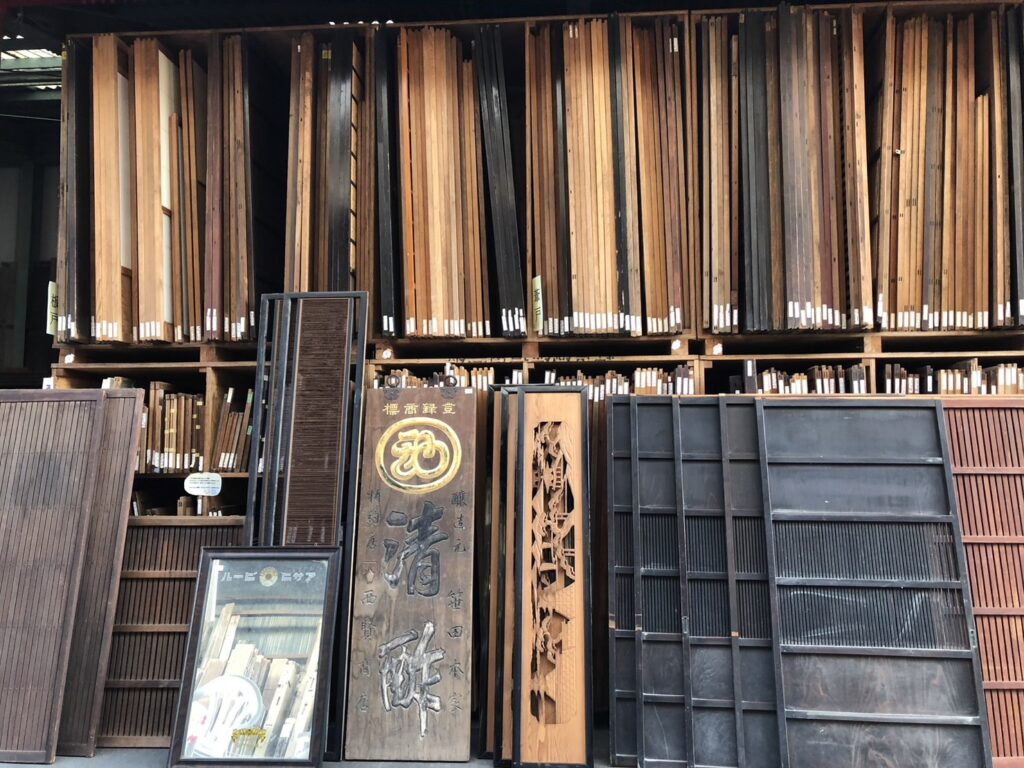
現代のホテルやレストランには、機能性やデザイン性だけではなく、「本物の物語」が求められる時代になりました。旅人は単に美しい空間を訪れるのではなく、その土地ならではの文化や歴史、空気感を五感で体験したいと考えています。だからこそ、京都の古材は空間に圧倒的な説得力を与えます。
京都の古材を使った空間には、言葉では説明できない静けさがあります。
やわらかな木肌に触れた瞬間の温もり、長い年月が磨き上げた自然な艶、天井を見上げたときに感じる堂々とした梁の存在感。
それらは訪れた人の記憶に残り、「また訪れたい」という感情を生み出します。
建築家や設計士にとって古材は、単なる建材ではありません。新築では表現できない唯一無二のデザインを実現できる素材であり、空間全体の価値を引き上げる重要なエレメントです。同じものが二つと存在しないため、一つひとつのプロジェクトが世界に一つだけの作品となります。設計者の感性と古材が出会うことで、新しい建築でありながら、どこか懐かしく心を落ち着かせる空間が生まれます。
店舗オーナーにとっても、古材は大きな資産となります。競争が激しい時代だからこそ、
「この店だから訪れたい」という理由が必要です。京都の古材が持つ歴史や背景は、お客様との会話を生み、ブランドストーリーとなり、写真やSNSでも強い印象を与えます。空間そのものが広告となり、他にはない個性として長く愛され続けます。
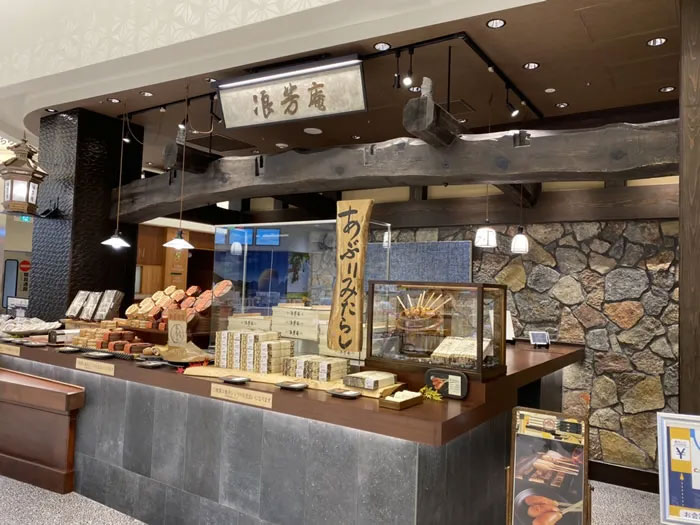
さらに、古材を活用することは、環境への配慮にもつながります。長年使われてきた木材に新たな命を吹き込み、未来へ受け継ぐことは、サステナブルな社会の実現に貢献する建築のあり方でもあります。古いものを壊して終わらせるのではなく、その価値を未来へつなぐこと。それは京都が大切に育んできた「ものを慈しみ、永く使い続ける」という精神そのものです。
京都には、千年を超えて受け継がれてきた文化があります。その文化は建物だけに宿るものではなく、その建物を支えてきた一本一本の木にも宿っています。古材を使うことは、単に古い木を再利用することではありません。京都の歴史を受け継ぎ、未来へ語り継ぐことです。
やはり本物の空間には、本物の素材が必要です。
京都の古材は、空間に歴史を与え、物語を生み、人の心を動かします。
百年の時を超えて受け継がれた木は、これから先の百年も、新たなホテルやレストランで、多くの人々の思い出を静かに見守り続けるでしょう。
京都古材市場 東京オフィス
〒150-0001
東京都渋谷区神宮前4丁目14-13-310
・・・・・・・・・・・・・・・・・・・・・・・・・・・・・・・・・・・・・・・・・
What Is the True Value of Reclaimed Wood?
What Is the True Value of Reclaimed Wood?
Reclaimed wood is more than timber that has withstood the passage of time—it is a living legacy of culture passed down through generations.
Reclaimed wood comes from traditional Japanese homes, Kyoto townhouses (machiya), temples, and shrines, where it has endured for decades, and often for well over a century. It possesses a character, depth, and authenticity that no newly milled timber can ever replicate.
Every beam carries the memories of generations of families who lived beneath it. Every pillar bears witness to the changing seasons of Kyoto over countless years. The rich patina, naturally aged color, traditional carpenter’s ink markings, intricate joinery, and the unmistakable traces of skilled craftsmanship all tell a story. Each mark is evidence of nature’s work and of people who carefully preserved and respected the wood throughout its lifetime. Together, these qualities define the true value of reclaimed wood.
Today, hotels and restaurants are expected to offer more than exceptional functionality and beautiful design. Guests increasingly seek authentic stories and meaningful experiences. Travelers no longer visit simply to admire beautiful interiors—they want to immerse themselves in the culture, history, and atmosphere unique to each destination. This is precisely why reclaimed wood from Kyoto brings such extraordinary authenticity and emotional depth to a space.
Spaces created with Kyoto reclaimed wood possess a quiet elegance that cannot easily be described in words. There is warmth in the touch of its naturally weathered surface, beauty in the gentle sheen refined by time, and an undeniable presence in the massive beams overhead. These subtle qualities remain in the memories of visitors, creating an emotional connection that inspires them to return.
For architects and designers, reclaimed wood is far more than a building material. It is a creative medium capable of achieving designs that cannot be replicated with new construction materials. Because every piece is unique, every project becomes one of a kind. When the designer’s vision meets reclaimed wood, the result is architecture that feels both contemporary and timeless—spaces that evoke comfort, familiarity, and lasting emotional resonance.
For restaurant owners and hotel operators, reclaimed wood is also a powerful business asset. In today’s highly competitive market, every successful establishment needs a compelling reason for guests to choose it over countless alternatives. The history and heritage embodied in Kyoto reclaimed wood naturally become part of a brand’s story. They spark conversations, create memorable guest experiences, and leave a lasting impression both in person and through photography and social media. The space itself becomes a form of marketing, distinguished by an authenticity that cannot be imitated.
Reusing reclaimed wood also reflects a deep commitment to environmental responsibility. Giving new life to timber that has already served for generations is an important expression of sustainable architecture. Rather than discarding the old, we preserve its value and carry it forward into the future. This philosophy embodies one of Kyoto’s most cherished traditions: respecting materials and using them with care for as long as possible.
Kyoto is home to a cultural heritage that has been passed down for more than a thousand years. That heritage does not reside only within its historic buildings—it also lives within every piece of wood that has supported those structures through the centuries. Choosing reclaimed wood is not simply an act of recycling old timber. It is an act of preserving Kyoto’s history and carrying its story into the future.
Authentic spaces deserve authentic materials.
Kyoto reclaimed wood brings history into architecture, transforms spaces into stories, and creates experiences that move people.
The timber that has endured for more than a century will continue its journey into the next hundred years, quietly watching over new generations of memories in hotels, restaurants, and gathering places yet to be built.