
古材とは、古民家や町家、その蔵などで何十年、あるいは百年以上使われてきた木材を解体時に丁寧に取り外し、
新たな建築や空間へ再び活かす建築資材です。その一本一本には、長い年月を経て生まれた風合いや歴史、職人の技術が刻まれています。
そして古材の活用は、世界共通の目標であるSDGs(持続可能な開発目標)の実現にも大きく貢献しています。
まず、最も大きな効果は「森林資源の有効活用」です。新しい木材を使用する量を減らすことで、伐採される木の量を抑え
森林の保全につながります。木材は再生可能な資源ですが、育成には数十年という長い年月が必要です。
古材をもう一度活用することは、貴重な森林資源を次世代へ引き継ぐことでもあります。
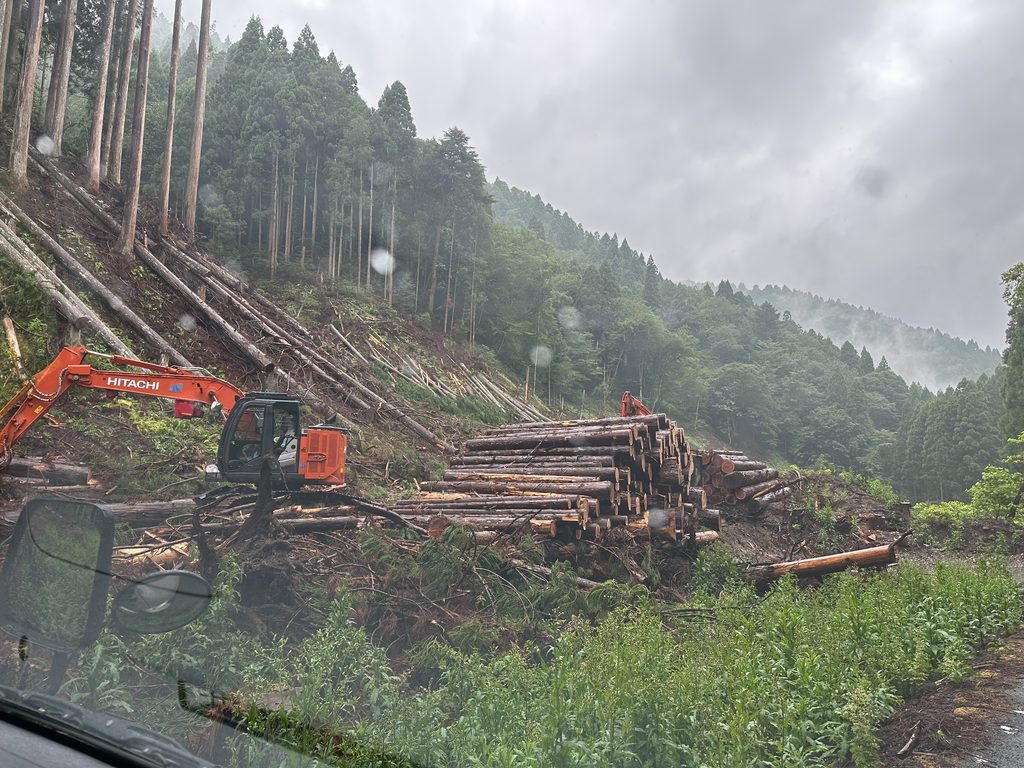
また、古材は建築廃材の削減にも大きく貢献します。古民家の解体時、多くの木材は廃棄されてしまうケースがあります。
しかし、梁や柱、板材などを再利用することで、大量の廃棄物を減らし、循環型社会の実現へ近づくことができます。これはSDGs目標12「つくる責任 つかう責任」の考え方そのものです。
さらに、古材を再利用することは、CO₂排出量の削減にもつながります。新しい木材を伐採・製材・乾燥・輸送するには多くのエネルギーが必要ですが、
古材は既に加工された資源を活用するため、新材と比べて製造時の環境負荷を抑えられます。
また、木材は成長過程で吸収した炭素を内部に蓄え続けるため、古材を長く使い続けることは炭素を固定し続けることにもなり、
地球温暖化防止に貢献します。これはSDGs目標13「気候変動に具体的な対策を」にもつながります。
古材には環境面だけではなく、文化的な価値もあります。京都の町家や古民家で使われてきた梁や柱は、
その土地の歴史や職人の技術、暮らしの記憶を未来へ受け継ぐ「生きた文化財」ともいえる存在です。
ホテルやレストラン、商業施設などに古材を取り入れることで、空間に唯一無二の個性と物語が生まれ、日本の伝統文化を次世代へ継承することができます。
さらに古材の活用は、地域経済にも良い循環を生み出します。古材の解体、選別、補修、加工、設計、施工には多くの専門技術が必要であり、
地域の職人や木材業者、建築会社の仕事を創出します。これはSDGs目標8「働きがいも経済成長も」、目標11「住み続けられるまちづくりを」にも大きく貢献します。
近年では、環境配慮型の建築を重視するホテルや商業施設、オフィス、ブランドショップが増えており、
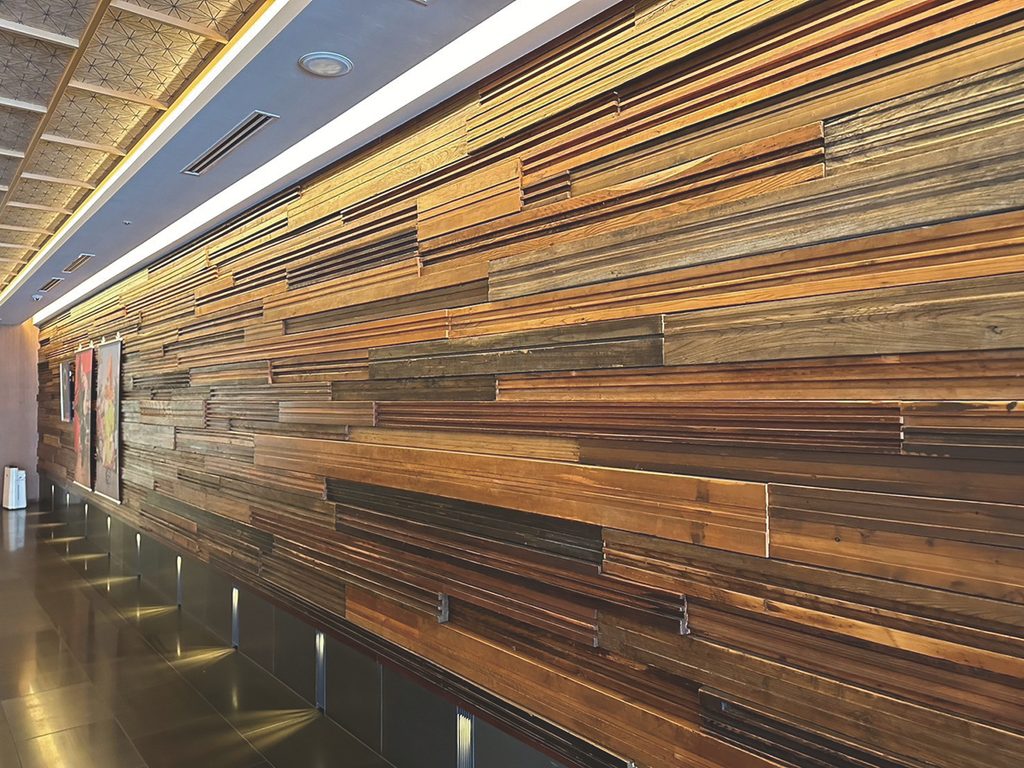
古材はデザイン性とサステナビリティを両立する建築素材として世界中で注目されています。経年変化によって生まれた色合いや木目は、
新材では決して再現できない魅力を持ち、空間に本物だけが持つ深みと品格を与えます。
つまり古材を選ぶことは、「古いものを使う」という選択ではありません。それは、資源を循環させ、森林を守り、CO₂を削減し、
地域の文化と職人の技術を未来へ受け継ぐという、持続可能な社会への意思表示です。一本の古材には、百年を超える歴史と未来への価値が宿っています。
だからこそ古材は、建築に美しさを与えるだけでなく、SDGsの理念を空間そのものに表現する建築資材として、
これからの時代にますます重要な役割を担っていくのです。
・・・・・・・・・・・・・・・・・・・・・・・・・・・・・・・・・・・・・・・・・
What Is the Relationship Between the Use of Reclaimed Wood and the SDGs?
Reclaimed wood refers to timber that has been carefully removed during the dismantling of traditional houses, machiya townhouses, storehouses, and other structures where it has been used for decades or even more than a century, and then repurposed as a building material for new architecture and spaces. Each piece bears the character, history, and craftsmanship accumulated over many years.
The use of reclaimed wood also makes a significant contribution to achieving the SDGs (Sustainable Development Goals), a set of common global goals for creating a sustainable future.
One of the greatest benefits is the effective use of forest resources. By reducing the amount of new timber required, the use of reclaimed wood helps reduce logging and contributes to forest conservation. Although wood is a renewable resource, it takes several decades to grow. Reusing reclaimed wood means helping preserve valuable forest resources for future generations.
Reclaimed wood also plays an important role in reducing construction waste. When traditional houses are demolished, a large amount of timber is sometimes discarded. However, by reusing beams, columns, boards, and other materials, we can significantly reduce waste and move closer to realizing a circular society. This is closely aligned with the philosophy of SDG 12, “Responsible Consumption and Production.”
Furthermore, reusing reclaimed wood can contribute to reducing CO₂ emissions. Producing new timber requires considerable energy for logging, milling, drying, and transportation. Since reclaimed wood makes use of resources that have already been processed, its environmental impact during production can be reduced compared with newly harvested timber.
Wood also continues to store the carbon it absorbed during its growth. Therefore, extending the life of reclaimed wood means continuing to keep that carbon stored, contributing to the fight against global warming. This is also connected to SDG 13, “Climate Action.”
Reclaimed wood has not only environmental value but also cultural value. Beams and columns that have been used in Kyoto’s machiya townhouses and traditional homes can be regarded as “living cultural heritage,” carrying the history of the region, the skills of craftsmen, and memories of past lifestyles into the future. By incorporating reclaimed wood into hotels, restaurants, commercial facilities, and other spaces, it creates a unique character and story that cannot be replicated, while helping pass Japan’s traditional culture on to future generations.
The use of reclaimed wood also creates a positive cycle within the local economy. Dismantling, sorting, repairing, processing, designing, and installing reclaimed wood all require specialized skills, creating opportunities for local craftsmen, timber businesses, and construction companies. This makes a significant contribution to SDG 8, “Decent Work and Economic Growth,” and SDG 11, “Sustainable Cities and Communities.”
In recent years, an increasing number of hotels, commercial facilities, offices, and brand stores have placed greater emphasis on environmentally conscious architecture. Reclaimed wood is attracting attention around the world as a building material that combines design and sustainability. The colors and grain patterns created through decades of aging possess a beauty that can never be reproduced with new timber, giving spaces the depth and dignity that only authentic materials can provide.
In other words, choosing reclaimed wood is not simply a choice to “use something old.” It is a statement of commitment to a sustainable society—one that circulates resources, protects forests, reduces CO₂ emissions, and passes local culture and craftsmanship on to future generations. Each piece of reclaimed wood carries more than a century of history, while also holding value for the future.
That is why reclaimed wood will play an increasingly important role in the years ahead—not only as a material that brings beauty to architecture, but also as a building material that expresses the principles of the SDGs through the spaces themselves.