「京都の古材が生み出す新しいブランドストーリー」
近年、多くの企業が「エシカル(Ethical)」という価値観を経営に取り入れています。
エシカルとは、「人・社会・環境に配慮した選択」を意味し、単なる環境対策ではなく、企業の姿勢そのものを表す言葉です。
消費者や投資家は、価格や品質だけではなく、「どのような想いでつくられた商品や空間なのか」を重視する時代になりました。
そのような時代だからこそ、京都の古民家や京町家から受け継がれた古材や古建具は、
エシカルな空間づくりを象徴する素材として大きな価値を持っています。
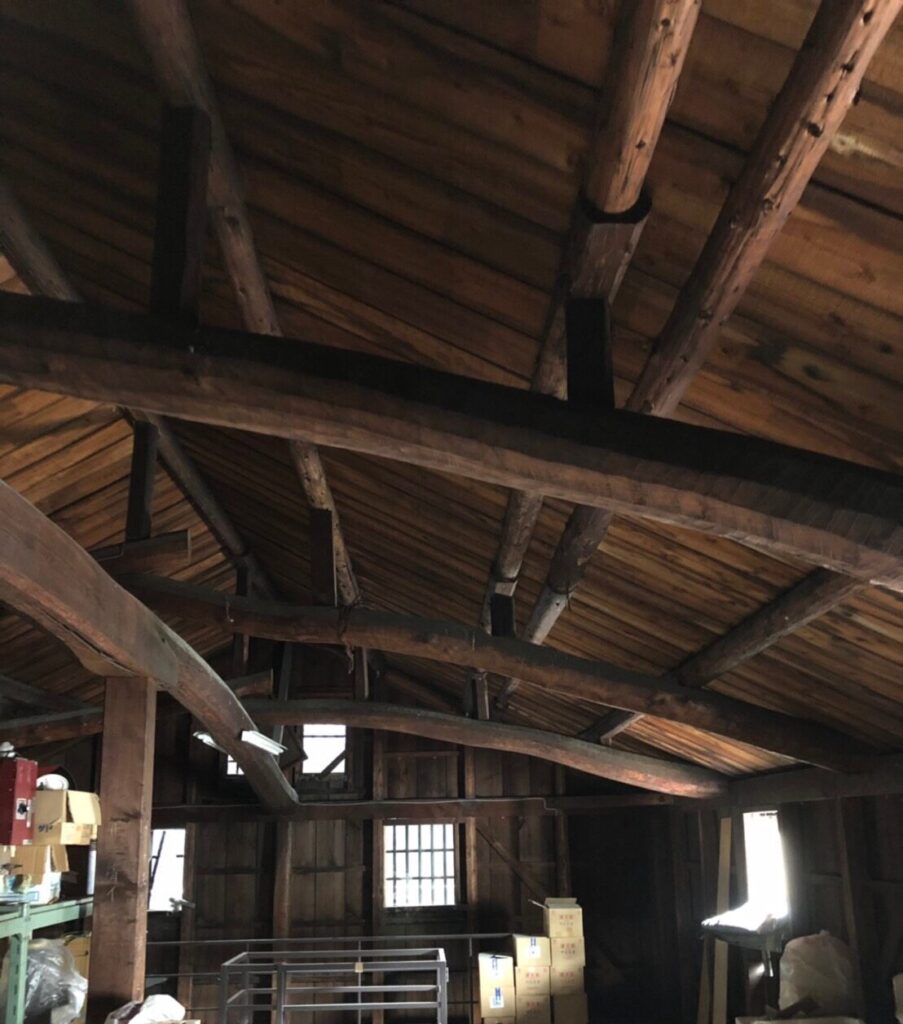
古材は、新しい木材にはない数十年、あるいは百年以上の歳月を刻んできた素材です。その一つひとつに職人の手仕事が残り、
自然が育んだ木目や風合い、時の流れによって生まれた深い色合いは、二度と同じものをつくることができません。
それは単なる建築材料ではなく、日本の歴史や文化、人々の暮らしを受け継ぐ「物語そのもの」です。
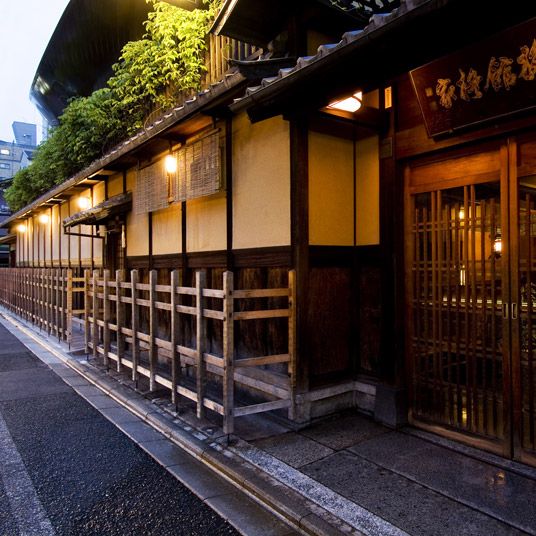
例えばホテルのロビーや客室に京都の古材を取り入れれば、訪れた瞬間に本物だけが持つ温もりと品格が空間を包み込みます。
ブランドショップでは、商品だけでなく空間そのものがブランドの世界観を語り、お客様の記憶に残る体験を生み出します。
レストランやカフェでは、古材が料理やサービスを引き立て、訪れる人に「また来たい」と感じてもらえる唯一無二の空間を演出します。
さらに、古材を再利用することは、新たな木材を大量に消費するのではなく、すでに存在する資源に新たな命を吹き込む循環型の取り組みです。
建築廃材の削減や資源の有効活用につながり、環境負荷の低減にも貢献します。
こうした姿勢は、企業のESG経営やSDGsへの取り組みを具体的に示すものとなり、企業ブランドの信頼性や社会的評価の向上にも結び付きます。
また、京都という地名が持つ世界的なブランド力も大きな魅力です。
「京都の古材を使用しています」という一言には、歴史、伝統、職人文化、日本らしさという価値が凝縮されています。
海外から訪れる多くの旅行者や富裕層にとっても、その空間は単なる内装ではなく、日本文化を体感する特別な体験となります。
大切なことは、企業が古材を選ぶことは、単にデザイン性の高い素材を選ぶことではありません。
それは、歴史を未来へ受け継ぎ、地域文化を守り、森林資源を大切にし、人にも環境にも配慮した経営姿勢を社会へ発信することです。
その想いは、空間を訪れるお客様だけでなく、従業員や取引先、投資家にも共感を生み、
「この企業だから選びたい」という新たなブランド価値へと育っていきます。
京都の古材は、過去を懐かしむための素材ではありません。
未来へ価値をつなぐための資産だと考えています。
これからは、エシカルな選択が求められる時代において、本物の歴史を宿した京都の古材は、
企業の理念やブランドストーリーを空間で語ることのできる、かけがえのない存在となることでしょう。
・・・・・・・・・・・・・・・・・・・・・・・・・・・・・・・・・・・・・・・・・
Ethical Choices Connect Corporate Value to the Future
“A New Brand Story Created by Reclaimed Wood from Kyoto”
In recent years, many companies have embraced the value of “Ethical” in their business practices.
Being ethical means making choices that consider people, society, and the environment. It goes beyond simply taking environmental measures; it reflects the values and attitude of a company itself.
Today, consumers and investors are increasingly interested not only in price and quality, but also in the ideas and values behind the products and spaces they choose.
It is precisely in such an era that reclaimed wood and antique architectural elements passed down from traditional Kyoto homes and machiya townhouses hold tremendous value as materials that symbolize ethical approaches to creating spaces.
Reclaimed wood carries decades, or even more than a century, of history that new timber can never replicate. Each piece retains traces of craftsmanship, while its natural grain, texture, and deep colors created through the passage of time are completely unique.
It is more than simply a building material—it is a story in itself, carrying forward Japan’s history, culture, and the memories of the people who lived with it.
For example, incorporating reclaimed wood from Kyoto into a hotel lobby or guest room can immediately envelop the space in the warmth and dignity that only authentic materials can provide.
In a brand store, the space itself can communicate the brand’s identity and create an experience that remains in customers’ memories—not just the products on display.
In restaurants and cafés, reclaimed wood can enhance the food and service while creating a distinctive atmosphere that makes visitors want to return.
Furthermore, reusing reclaimed wood is a circular approach that gives new life to resources that already exist, rather than consuming large quantities of newly harvested timber.
It contributes to reducing construction waste, making effective use of resources, and lowering environmental impact.
Such an approach can also demonstrate a company’s commitment to ESG management and the SDGs in tangible ways, helping strengthen corporate credibility and social reputation.
The global brand power associated with the name Kyoto is another major attraction.
The simple statement, “We use reclaimed wood from Kyoto,” encompasses a wealth of values: history, tradition, craftsmanship, and the essence of Japan.
For the many international travelers and affluent visitors who come to Japan, such a space can become far more than an interior—it can offer a special opportunity to experience Japanese culture firsthand.
What is important is that choosing reclaimed wood is not simply a decision to select a visually appealing material.
It is a way for a company to communicate its commitment to passing history on to the future, preserving local culture, valuing forest resources, and conducting business with consideration for both people and the environment.
These values can resonate not only with customers who visit the space, but also with employees, business partners, and investors, ultimately developing into a new form of brand value that inspires people to think, “This is a company I want to choose.”
Kyoto’s reclaimed wood is not a material for simply looking back nostalgically at the past.
We believe it is an asset that connects the value of the past to the future.
In an era where ethical choices are increasingly expected, reclaimed wood from Kyoto—imbued with authentic history—will become an irreplaceable material capable of expressing a company’s philosophy and brand story through the spaces it creates.