「京都の古材が生み出す、本物だけが持つ価値」
いま世界では、「何をつくるか」だけではなく、「どのようにつくるか」「どのような想いで選ぶか」が企業の価値を決める時代になりました。
この新しい価値観を象徴する言葉が「エシカル(Ethical)」です。
エシカルとは、人や社会、地域、そして地球環境に配慮した選択を行うこと。
単なる環境保全ではなく、文化を守り、地域を支え、未来へ責任を果たす企業姿勢そのものを表しています。
その考え方と、京都の古民家や京町家から受け継がれる古材・古建具は、驚くほど高い親和性を持っています。
古材は、新しくつくられた建材ではありません。何十年、あるいは百年以上もの年月を人々とともに過ごし
、日本の暮らしや文化を静かに見守ってきた存在です。柱には家族の歴史が刻まれ、
梁には幾度もの季節を越えた風格が宿り、一枚の建具にも職人の技術と美意識が息づいています。
その素材を再び活かすことは、単なる「再利用」ではありません。
歴史を受け継ぎ、新たな価値を生み出す「文化の継承」です。
ホテルのロビーに京都の古材が使われていれば、その空間は一瞬で特別な印象へと変わります。
ブランドショップでは、商品だけでは伝えきれない世界観を空間全体で表現し、お客様の記憶に深く刻まれる体験を提供できます。
レストランでは、古材が料理やサービスを引き立て、心地よい時間そのものがブランド価値となります。
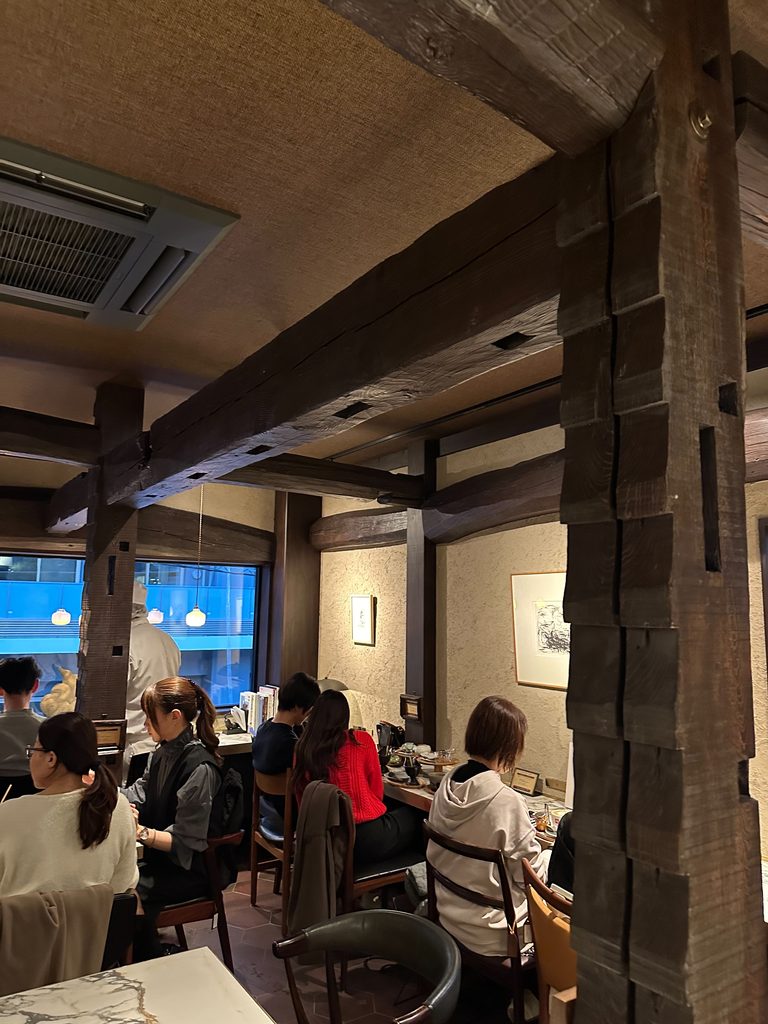
さらに、古材の活用は環境負荷の低減にもつながります。既存の資源を生かすことで、新たな木材の消費や建築廃材の発生を抑え、資源循環型社会の実現に貢献します。
これは、環境への配慮だけでなく、地域資源を未来へつなぐという社会的責任を果たす行動でもあります。
近年、多くの企業がESG経営やSDGsへの取り組みを掲げています。しかし、本当に人の心を動かすのは、数字やスローガンではなく、実際の行動です。
「京都の古材を空間に取り入れる。」
その選択そのものが、企業の価値観を静かに、しかし力強く伝えます。
京都という地名には、世界中の人々が憧れる歴史と文化があります。
その京都で育まれ、長い年月を生き抜いてきた古材は、世界に一つとして同じものが存在しない唯一無二の素材です。
その希少性と背景にある物語は、高級ホテルやラグジュアリーブランド、上質な飲食店が求める「本物」の価値と深く共鳴します。
現代の消費者は、単に美しい空間を求めているのではありません。その空間に込められた理念や物語に共感し、そこで過ごす時間そのものを価値として選んでいます。
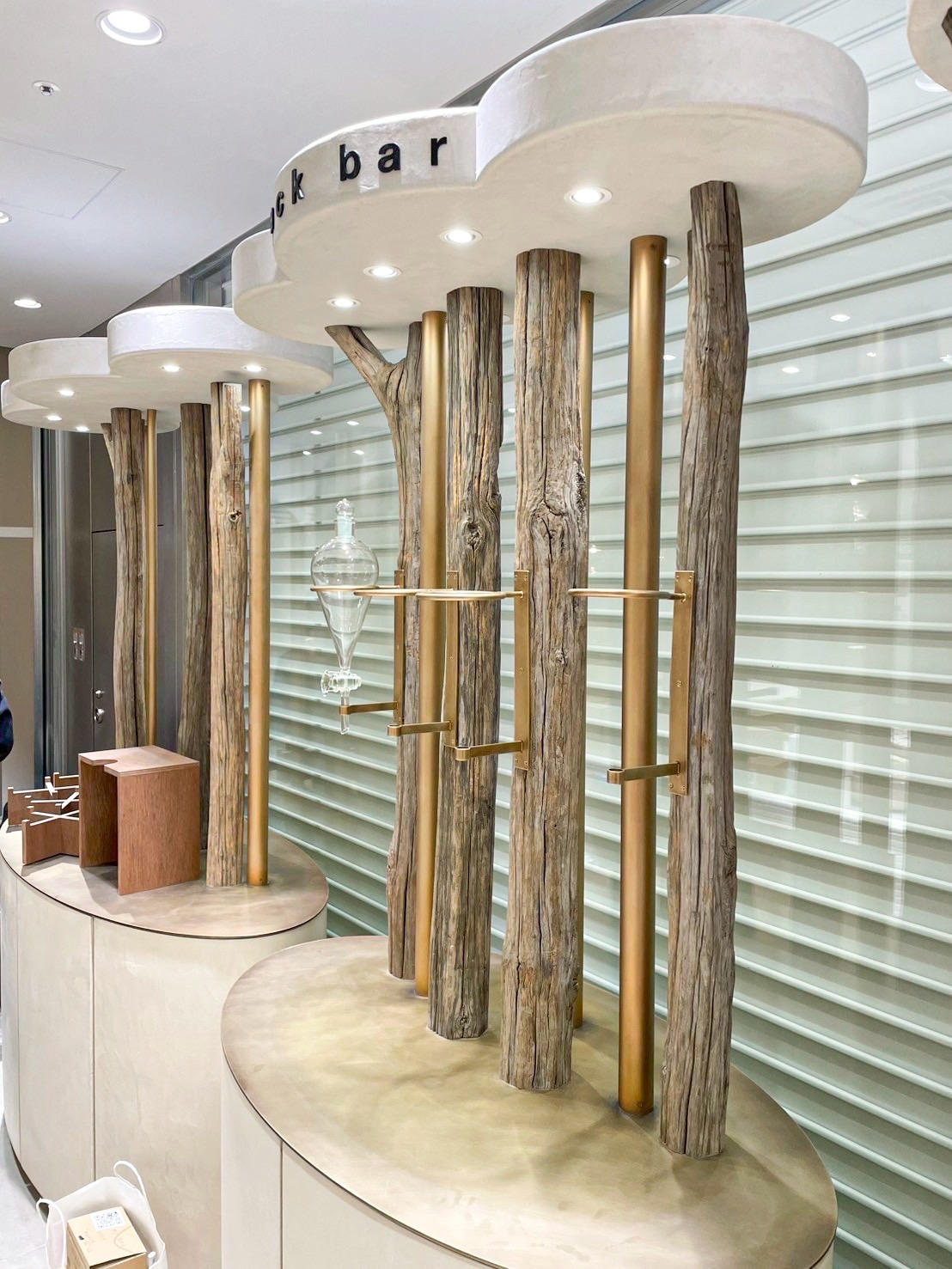
京都の古材は、企業の空間に「時間」という価値を与えます。新品では決して表現できない風合い、
自然が刻んだ木目、職人の手仕事の跡。それらは訪れる人に安心感や温もりを与え、企業への信頼やブランドへの愛着を育みます。
企業が京都の古材を選ぶことは、単なる内装デザインではありません。
それは、日本の文化を守り、地域経済を支え、環境に配慮し、次の世代へ価値を受け継ぐという意思表示です。
エシカルな選択は、未来への投資です。
京都の古材は、その企業の理念を語り、ブランドの品格を高め、人々の心に残る空間を創り出します。
百年の時を超えて受け継がれた木は、これからの百年を歩む企業とともに、新たな物語を紡いでいきます。
本物の価値は、時を重ねたものだけが持っています。
つまり京都の古材は、その価値を未来へつなぐ、かけがえのない資産なのです。
・・・・・・・・・・・・・・・・・・・・・・・・・・・・・・・・・・・・・・・・・
Choosing an Ethical Path Shapes the Future of Your Company
“The Authentic Value Found Only in Kyoto’s Reclaimed Wood”
Today, the value of a company is determined not only by what it creates, but also by how it creates it and what values guide the choices it makes.
The word that embodies this new way of thinking is “Ethical.”
Being ethical means making choices that take into consideration people, society, local communities, and the global environment.
It represents more than environmental conservation; it reflects a company’s commitment to preserving culture, supporting local communities, and taking responsibility for the future.
This philosophy has an exceptionally strong affinity with reclaimed wood and antique architectural elements passed down from Kyoto’s traditional homes and machiya townhouses.
Reclaimed wood is not newly manufactured building material. It is a living legacy that has spent decades, or even more than a century, alongside people, quietly witnessing the lives and culture of Japan. Family histories are etched into its columns, the dignity of countless seasons is embodied in its beams, and the craftsmanship and aesthetic sensibilities of artisans live on in every traditional door and architectural element.
Giving these materials a new life is not simply “reuse.”
It is the preservation of culture—carrying history forward while creating new value.
When Kyoto reclaimed wood is incorporated into a hotel lobby, the space can instantly take on a distinctive and memorable character.
In a brand store, it can express a worldview throughout the entire space that products alone cannot fully convey, creating an experience that remains deeply etched in customers’ memories.
In a restaurant, reclaimed wood can enhance the food and service, transforming the quality of the time spent there itself into part of the brand’s value.
Furthermore, the use of reclaimed wood can help reduce environmental impact. By making use of existing resources, it can reduce the consumption of newly harvested timber and the generation of construction waste, contributing to the realization of a circular society.
This is not merely an act of environmental consideration; it is also a way of fulfilling a company’s social responsibility by passing local resources on to future generations.
In recent years, many companies have embraced ESG management and the SDGs. Yet what truly moves people’s hearts is not numbers or slogans, but tangible action.
“We incorporate reclaimed wood from Kyoto into our spaces.”
That choice itself can communicate a company’s values quietly, yet powerfully.
The name Kyoto carries a history and culture admired by people around the world.
Reclaimed wood cultivated in Kyoto and preserved through the passage of time is a truly one-of-a-kind material—no two pieces are ever exactly alike.
Its rarity and the stories behind each piece deeply resonate with the value of authenticity sought by luxury hotels, high-end brands, and sophisticated restaurants.
Modern consumers are no longer simply looking for beautiful spaces. They seek out and connect with the philosophies and stories embodied in those spaces, choosing the experience of spending time there as a value in itself.
Kyoto’s reclaimed wood brings the value of “time” into corporate spaces.
Its texture, natural grain shaped by the passage of years, and traces of craftsmanship can never be reproduced with new materials. These qualities create a sense of warmth and comfort for visitors, while nurturing trust in the company and emotional attachment to its brand.
Choosing reclaimed wood from Kyoto is not simply a matter of interior design.
It is a statement of intent—a commitment to preserving Japanese culture, supporting local economies, caring for the environment, and passing value on to the next generation.
An ethical choice is an investment in the future.
Kyoto’s reclaimed wood tells the story of a company’s philosophy, enhances the dignity of its brand, and creates spaces that remain in people’s hearts.
Wood that has been passed down through more than a century of history can begin a new story alongside a company as it moves into the next hundred years.
Authentic value is something only materials shaped by the passage of time can possess.
In this sense, Kyoto’s reclaimed wood is an irreplaceable asset—one that carries its value from the past into the future.